
Are you planning to purchase a security camera system ? Are you two minds whether to go for a wireless camera or a wired camera? Then you have come to the right place. Keep on reading this article to learn more about the difference between wireless and wired security cameras.
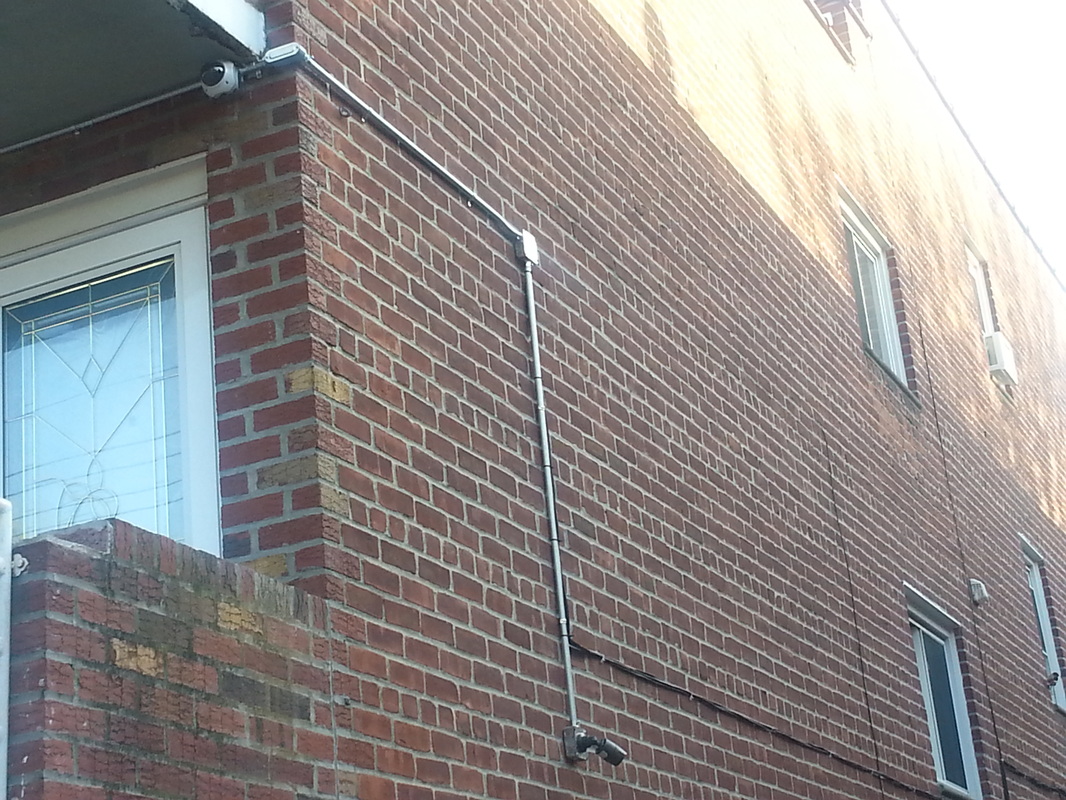
From the recent studies, it has been identified that wired security camera system have the potential to offer a wide range of benefits and advantages to the users. The number one benefit is that you can save a lot of money. The wired cameras are marked at a lower price and you will be able to save few hundred dollars. Even though the wired cameras are marked at a lower price, they have the ability to offer the same video quality as output. In addition, you don’t need to go through much hassle when installing the wired camera. You just need to find a place to install it and connect the cables that run along to the DVR. Even a non-technical person can go through the installation process within few minutes.
From the recent studies, it has been identified that wired security camera system have the potential to offer a wide range of benefits and advantages to the users. The number one benefit is that you can save a lot of money. The wired cameras are marked at a lower price and you will be able to save few hundred dollars. Even though the wired cameras are marked at a lower price, they have the ability to offer the same video quality as output. In addition, you don’t need to go through much hassle when installing the wired camera. You just need to find a place to install it and connect the cables that run along to the DVR. Even a non-technical person can go through the installation process within few minutes.
A wired home security system has the potential to cover almost all the aspects of your home. The range of wireless cameras are small and you will not get the best out of your investment. When you decide to purchase a wireless camera, you will also have to think about wireless cameras and compatible DVRs. They are expensive and you will have to spend few hundred dollars in addition.
After you install a security camera system, you expect the best quality videos out of it. The wireless cameras available out there in the market are susceptible to interference and signal loss. This can happen because of other operational electronic appliances and due to bad weather conditions. However, these factors does not affect the signals delivered by wired security cameras.
You can even think about networking wired security cameras with less trouble. It is possible to connect it with your modem through a network cable and transmit videos over the Internet.This will give you the opportunity to monitor your home while staying at any part of the world. In addition,wired security cameras can be purchased in many different types.Infrared cameras, day to night cameras, dome cameras and bullet cameras are some of the popular examples available out there in the market. You can go for the best camera type after analyzing your specific requirements.
Security is a major concern among modern world home owners. However, many people look for a way to strengthen the security of their homes in a cost effective manner. That’s where wired home security systems come into play.You can save a lot of money during installation process and in the long run. Therefore, all the home owners should think about purchasing wired home security cameras instead of wireless ones.
After you install a security camera system, you expect the best quality videos out of it. The wireless cameras available out there in the market are susceptible to interference and signal loss. This can happen because of other operational electronic appliances and due to bad weather conditions. However, these factors does not affect the signals delivered by wired security cameras.
You can even think about networking wired security cameras with less trouble. It is possible to connect it with your modem through a network cable and transmit videos over the Internet.This will give you the opportunity to monitor your home while staying at any part of the world. In addition,wired security cameras can be purchased in many different types.Infrared cameras, day to night cameras, dome cameras and bullet cameras are some of the popular examples available out there in the market. You can go for the best camera type after analyzing your specific requirements.
Security is a major concern among modern world home owners. However, many people look for a way to strengthen the security of their homes in a cost effective manner. That’s where wired home security systems come into play.You can save a lot of money during installation process and in the long run. Therefore, all the home owners should think about purchasing wired home security cameras instead of wireless ones.
 RSS Feed