
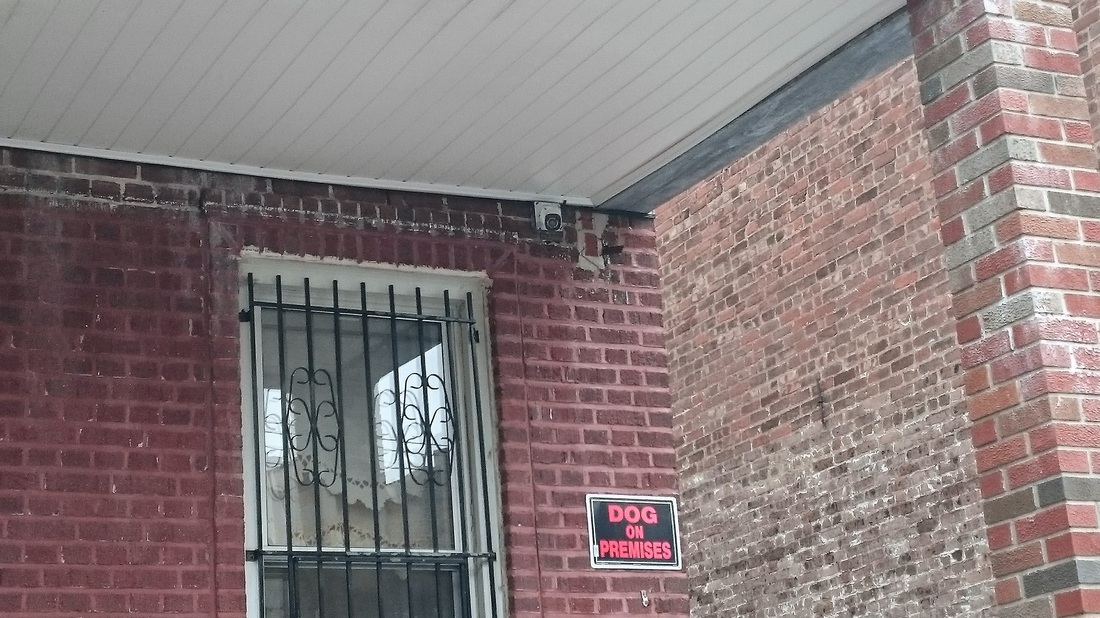
Whenever the topic of security is brought up, we usually think about our loved ones and family. This is not very surprising considering that crime rates in the United States are happening every single day. Burglars and other unwarranted person usually break into people’s homes and this entry point has been identified by the police authority as a crucial component for securing the safety of those that we love. The advent of home security camera system has changed the people’s view of home security. Home security cameras have a positive impact in the identification of crimes in the home, and increasing number of households is opting to install them. But is finding the best place for home security camera easy? What are the things that need to be considered?
The location of your home Surveillance System should definitely suit its purpose. Are you trying to deter possible burglars? Are you trying to detect and identify potential criminals so you want to strategically place them out of reach and if possible, out of sight? These are the top places where home security cameras can be installed and serve its best purpose.
The location of your home Surveillance System should definitely suit its purpose. Are you trying to deter possible burglars? Are you trying to detect and identify potential criminals so you want to strategically place them out of reach and if possible, out of sight? These are the top places where home security cameras can be installed and serve its best purpose.
 RSS Feed